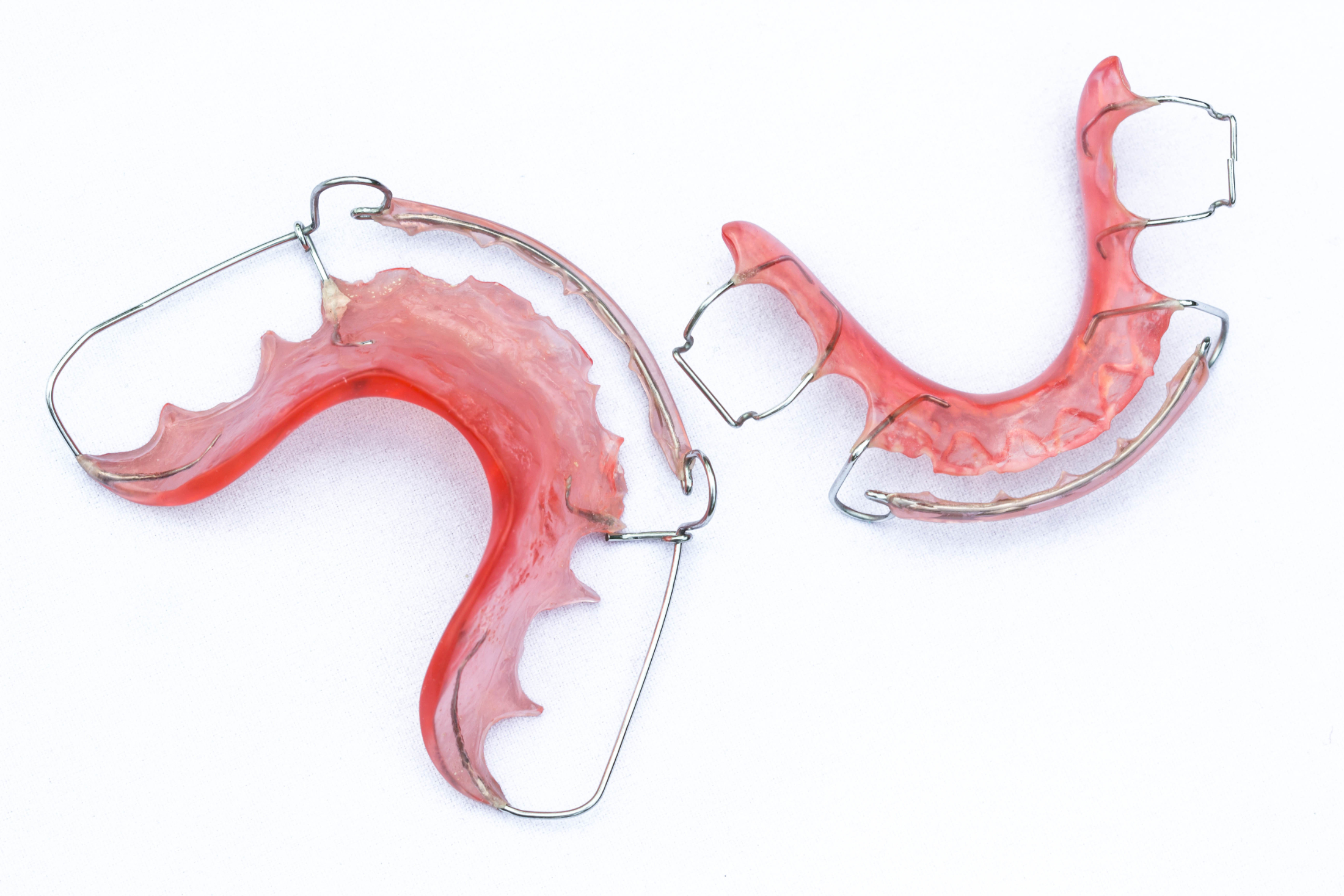
Finishing active treatment is a huge milestone, but your smile story isn’t quite over. Retainers are the quiet workhorses that protect everything your braces or clear aligners accomplished. If you’re wondering how long you need to wear a retainer after braces, the short answer is full time for the first few months, then nighttime wear for the long haul. Your orthodontist sets the exact schedule based on your case.
Here’s what every patient should know about retention, timelines and keeping your new smile right where it belongs.
What Is a Retainer and Why Is It Needed After Braces?
A retainer is a custom orthodontic appliance designed to hold your teeth in their new positions after braces or clear aligners come off. Without one, teeth naturally drift back toward their original spots, a process called relapse. Retainers prevent that shift and give your mouth time to settle.
Teeth don’t exist in isolation. They’re anchored in bone and surrounded by soft tissue, and both need time to stabilize around newly aligned positions. During the first several months after treatment, the ligaments holding your teeth are still “remembering” where they used to be. A retainer keeps everything steady while that remodeling happens.
Think of your retainer as insurance for the time and effort you put into straightening your smile. At Degenhardt Orthodontics, your retention plan is built around your specific case.
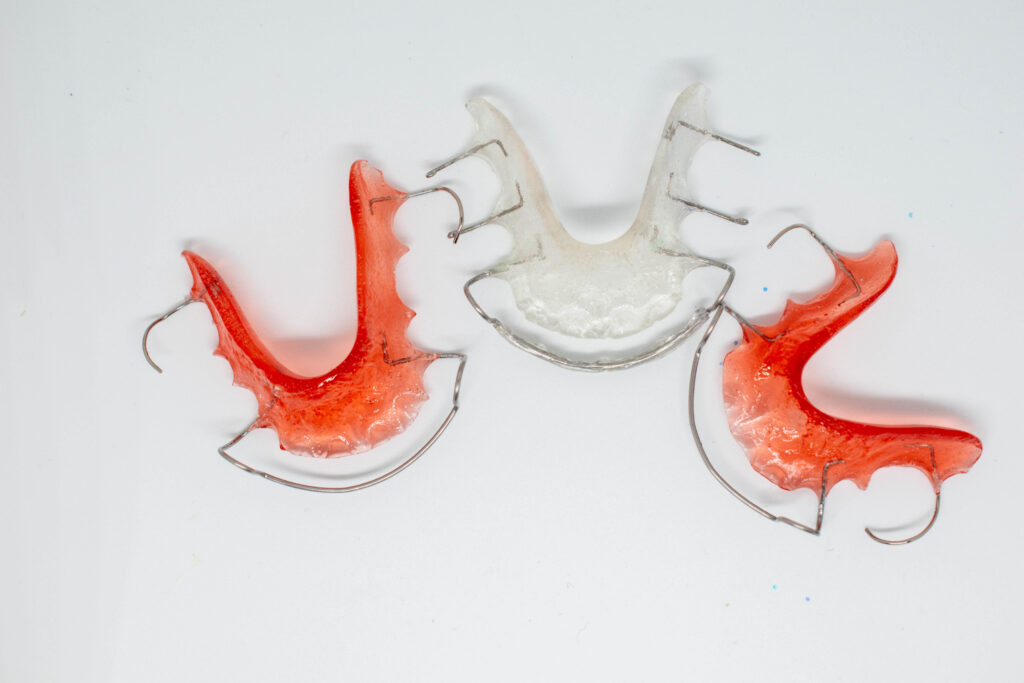
Retainers come in two main categories:
- Removable retainers (clear or Hawley-style) that you take out to eat and clean
- Fixed (bonded) retainers that stay attached behind your teeth around the clock
Dr. Steve walks you through the right choice before you ever hold one in your hand.
How Long Do You Wear a Retainer? The Typical Timeline
Most retention plans follow three general phases, with wear time dropping as your teeth stabilize. Here’s what that often looks like:
- Full-time wear (often the first 3 to 6 months): Most of the day and night, out only to eat, brush and floss. This phase matters most because your teeth are at their highest risk of shifting right after braces come off.
- Nighttime-only wear: Once Dr. Steve confirms your teeth have stabilized, you’ll move to wearing your retainer only while you sleep.
- Long-term maintenance: A few nights per week, often for life, to prevent gradual shifting as you age.
Your exact timeline comes from your orthodontist, not a chart. Some patients need lifelong nightly wear depending on relapse risk, original case complexity and genetics. Adults especially tend to benefit from consistent long-term retention.
Several factors influence your personal timeline:
- How severe your original crowding, spacing or rotation was
- Your age at the end of treatment
- Whether you had extractions or jaw expansion
- Habits like tongue thrusting or clenching
- How faithfully you wear your retainer during each phase
Once you’re in the maintenance phase, consistency matters more than hours. Wearing your retainer three nights a week, every week, beats wearing it seven nights one week and skipping the next three. Your teeth don’t take vacations, and neither should your retention routine.
Benefits of Wearing Your Retainer Consistently
Consistent retainer wear is one of the simplest habits with the biggest long-term payoff. Here’s what you gain by sticking with the plan:
- Prevents orthodontic relapse. This is the big one. Teeth that shift back often need retreatment, which means more time in braces or aligners later in life.
- Allows bone and soft tissue to fully stabilize. The bone around your teeth needs time to rebuild and anchor your teeth in their new positions. Retainers hold everything still while that happens.
- Supports proper bite function. Your bite was carefully adjusted during treatment. Retainers help maintain that balance so chewing stays comfortable and efficient.
- Keeps oral hygiene easier. Straight teeth are easier to brush and floss, so keeping them straight helps your gums and enamel stay healthy for the long term.
There’s a confidence benefit too. Knowing your smile is secure year after year lets you focus on living your life instead of worrying about shifting teeth.
The retention phase is where great orthodontic results are protected or lost. You’ve put in the work. The retainer is how you keep what you earned.
Types of Retainers: Hawley vs. Clear vs. Bonded
Not every retainer is the same, and the right choice depends on your case, your lifestyle and your preferences. Each type is custom made to fit your mouth.
Here’s how they compare:
| Feature | Hawley Retainer | Clear (Essix) Retainer | Bonded (Fixed) Retainer |
|---|---|---|---|
| Appearance | Visible wire across teeth | Nearly invisible | Hidden behind teeth |
| Removable | Yes | Yes | No |
| Durability | Often 5 to 10 years with care | Often 1 to 3 years | Years, but the wire can break |
| Adjustability | Can be adjusted by your orthodontist | Not adjustable | Not adjustable |
| Daily wear needed | Yes | Yes | No, works around the clock |
| Cleaning | Easy to clean thoroughly | Daily rinsing and soaking | Requires careful flossing |
A quick breakdown of each:
- Hawley retainers use a sturdy acrylic base with a wire that wraps across the front of your teeth. They’re the most durable and can be tweaked by Dr. Steve if minor adjustments are needed over time.
- Clear retainers look like thin, transparent trays similar to clear aligners. They’re discreet and comfortable but can wear down faster, especially for patients who grind their teeth at night.
- Bonded retainers are thin wires attached to the back of your front teeth. They work around the clock without any effort from you, which suits patients worried about forgetting to wear a removable retainer.
Many patients end up with a combination, often a bonded wire on the lower teeth paired with a clear retainer on top. Dr. Degenhardt recommends the right setup based on your case, your habits and how your teeth look at the end of treatment.
When a Retainer Needs Replacing
Clear retainers tend to need replacing every one to three years with regular use, while Hawley retainers often last five to ten years with good care. A few things affect how often you’ll need a new one:
- Daily wear and tear. Clear retainers thin out over time, especially if you grind or clench.
- Accidental damage. Dropping, chewing on or stepping on a retainer can crack it quickly.
- Growth and minor shifting. Teens who are still growing may need updated retainers as the jaw matures.
- Bonded wire issues. The small wire behind your teeth can occasionally come loose and need repair.
If you lose or damage your retainer, call our office right away. Even a week or two without a retainer during the early retention phase can let teeth shift enough that the replacement feels tight. The sooner we see you, the easier the fix.
Do You Need a Retainer After Clear Aligners?
Yes. Teeth moved with clear aligners settle the same way teeth moved with braces do, so they need the same protection once treatment ends. Many aligner patients find the switch easy because a clear retainer looks and feels a lot like the trays they’re already used to.
The schedule works the same way too. Expect more wear at first, then a gradual step down to nights as your teeth stabilize.
Who Needs to Wear a Retainer Longer?
Not every smile has the same relapse risk. Some patients can safely move to a few nights per week fairly quickly, while others benefit from nightly wear for good. Dr. Degenhardt builds every retention plan around your individual case.
You may need longer or lifelong retainer wear if:
- Your original case involved severe crowding, rotations or spacing issues
- You’re an adult patient, since teeth keep shifting gradually with age
- You have genetic factors like a family history of crowded or shifting teeth
- You were treated for gaps or diastemas, which have a strong tendency to reopen
- You’re a teen still growing, which calls for extra monitoring as the jaw develops
- You have habits like tongue thrusting, clenching or grinding that put pressure on teeth
Dr. Steve takes all of this into account when designing your retention plan. The goal isn’t to keep you tied to a retainer for no reason. It’s to protect the smile you worked hard to achieve. For some patients that means a short retention phase. For others it means a lifelong habit of a few nights per week.
Frequently Asked Questions About Retainers
Can you go 2 weeks without your retainer?
Going two weeks without your retainer can allow noticeable shifting, especially during the first year after braces. Teeth are most unstable during the early retention phase, and even short gaps can make your retainer feel tight or stop fitting entirely. If this happens, contact us right away so we can check the fit.
Does wearing a retainer hurt?
A new retainer or one you haven’t worn in a while may feel tight or create mild pressure for the first night or two. That tightness is a sign your teeth were starting to shift and the retainer is gently guiding them back. Any real discomfort should fade quickly, and if it doesn’t, give us a call.
Is it okay to wear a retainer every other night?
Every-other-night wear can work during the long-term maintenance phase, but only if Dr. Steve has approved it based on how your teeth are holding. During the first year after braces, nightly wear is strongly recommended. Switching too early can allow subtle shifting that adds up over time.
Do you have to wear a retainer forever?
Most patients benefit from some form of long-term retention, often a few nights per week indefinitely. Teeth naturally shift throughout life due to aging, bone changes and the daily pressure of chewing and speaking. Nighttime wear is the easiest way to protect your smile for decades.
What happens if you lose your retainer?
Contact Degenhardt Orthodontics as soon as you realize it’s missing. The longer you go without one, the more your teeth can shift, and a replacement made weeks later may not fit the same. We’ll get you in as soon as we can for a replacement.
How do you clean a retainer?
Rinse your retainer with cool water every time you take it out, and brush it gently with a soft toothbrush daily. Avoid hot water, which can warp the plastic. Soak it a few times a week in a retainer cleaning solution to remove buildup. Never wrap it in a napkin. That’s the number one way retainers end up in the trash.
Protect Your Smile for the Long Run
Wearing your retainer is the simplest way to make sure your orthodontic results last. Whether you’re just finishing treatment or need a replacement retainer, Degenhardt Orthodontics is here to help you keep your smile right where it belongs.
If you have questions about retention or need a follow-up, stop by our Milford office or our Birmingham office. Schedule your free consultation and let Dr. Steve help you protect the smile you’ve worked so hard to earn.