The short answer is that both clear aligners and braces work. The best choice depends on your teen’s specific case, personality and daily life.
The teen years are one of the strongest windows for orthodontic treatment, and what happens during them shapes long term oral health, bite function and the kind of self confidence that carries into school photos, first jobs and beyond.
As a parent you are weighing a lot at once. Time. Appearance. Whether your teen will actually wear their aligners like they promised. This guide walks you through a practical decision framework rather than a generic pros and cons list, so you can pick the option that truly fits your teen.
Clear Aligners vs Braces at a Glance
Here is how the three most common teen options stack up. Ranges vary quite a bit by case complexity, so treat these as general guidance rather than a promise.
| Factor | Metal Braces | Clear Braces | Clear Aligners |
|---|---|---|---|
| Appearance | Visible, colorful bands available | Tooth colored, less noticeable | Nearly invisible |
| Treatment time | 18 to 24 months typical | 18 to 24 months typical | 12 to 18 months with full compliance |
| Comfort | Some soreness after adjustments | Similar to metal | Mild pressure with each new tray |
| Compliance required | None for wear time | None for wear time | 20 to 22 hours a day |
| Food restrictions | Yes, ongoing | Yes, ongoing | None, but trays come out for every meal |
| Best for | Complex bites, severe crowding, big rotations | Moderate cases needing full control | Mild to moderate cases, motivated teens |
How Clear Aligners Work for Teens
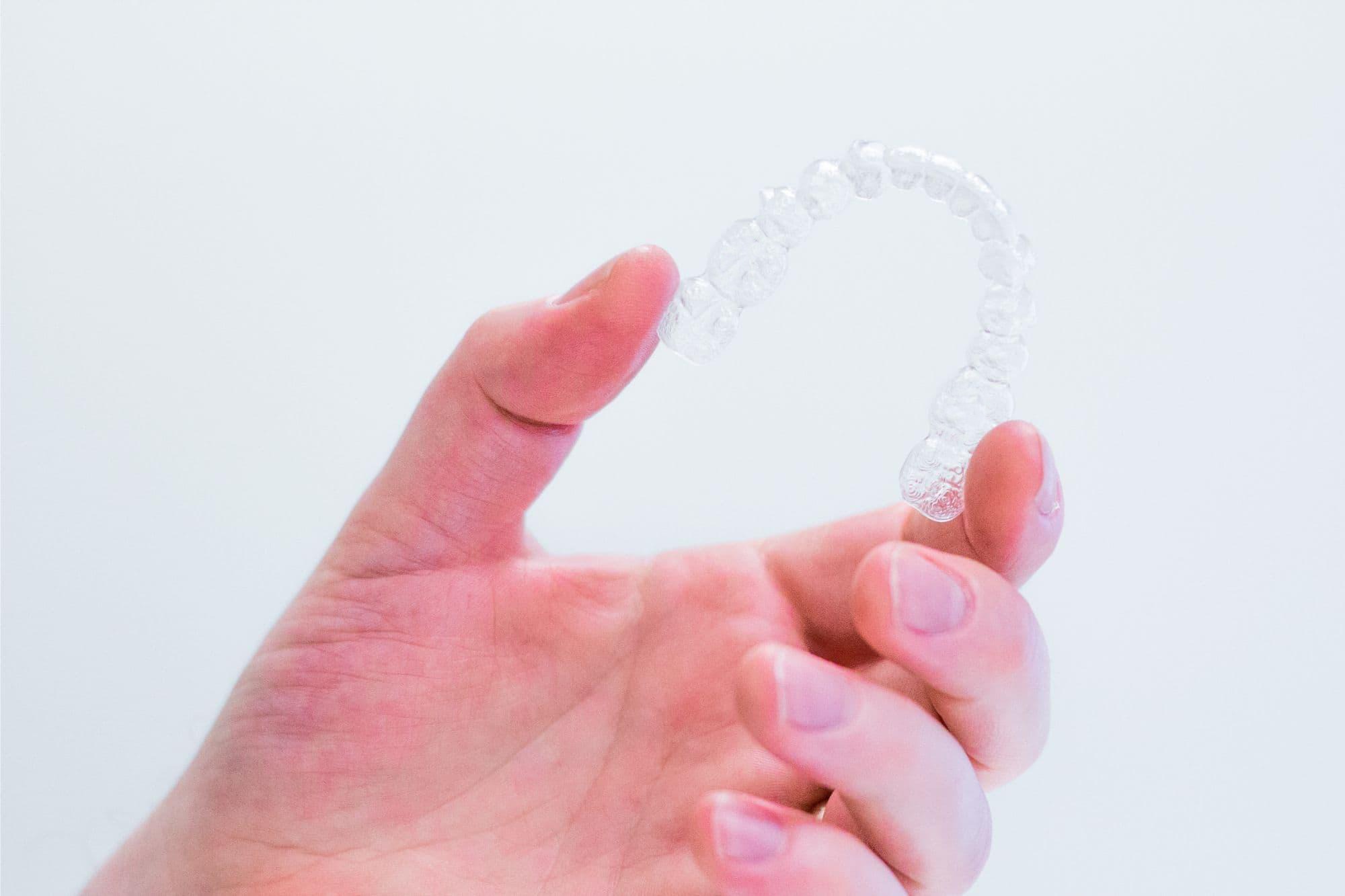
Clear aligners are a series of custom trays made from smooth, medical grade plastic. Your teen wears each set for 20 to 22 hours a day and swaps to the next set every one to two weeks. Each tray nudges the teeth a little closer to their final position.
Teen aligner systems typically include a few features designed with growing mouths in mind:
- Compliance indicators. Small markers that fade with wear, so you can see whether your teen is keeping up.
- Eruption tabs. Built in space that allows second molars to come in during treatment.
- Replacement trays. Coverage in case a tray gets lost or damaged.
Because the trays are removable, your teen takes them out to eat, brush, floss, play contact sports or belt out a solo at the spring concert. Aligners work well for mild to moderate crowding, spacing and many common bite issues.
How Braces Work for Teens
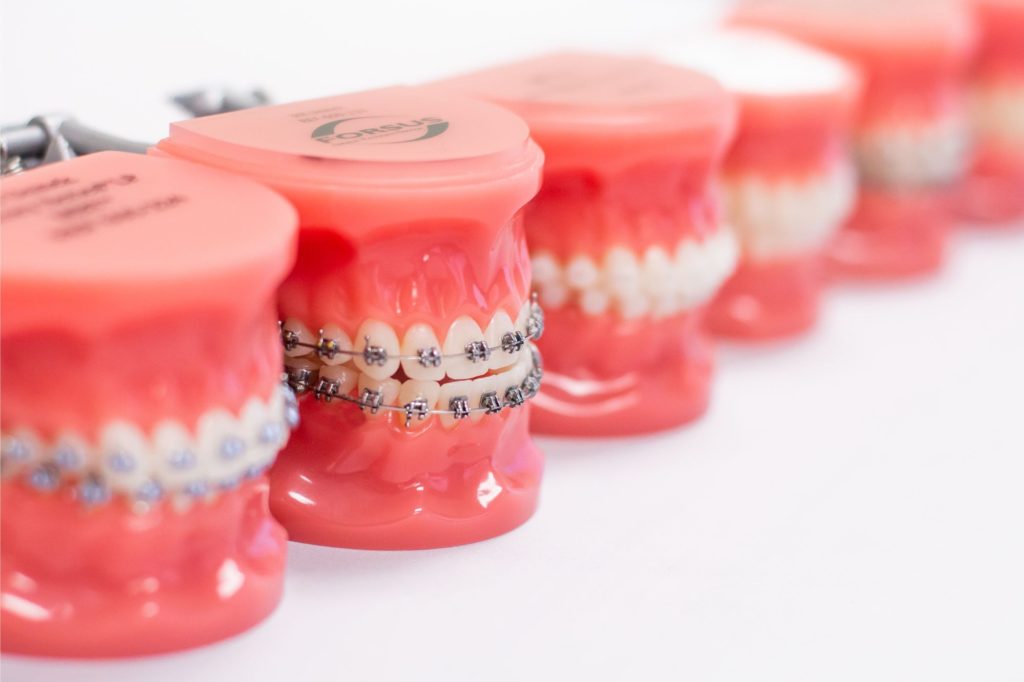
Braces use small brackets bonded to each tooth, connected by a thin archwire. The wire applies gentle, steady pressure that guides teeth into place. Dr. Steve adjusts the wire every four to eight weeks to keep progress on track.
You will typically choose between two styles:
- Metal braces. Durable, easy to care for and fun for teens who love changing up their colorful bands at each visit.
- Clear braces. Tooth colored brackets that blend in for a more subtle look while still giving full bracket control.
Many treatments also include elastics or other small attachments to guide bite correction. The biggest advantage is that braces are on around the clock. There is nothing for your teen to remember, remove or lose.
Effectiveness: Which Option Handles Which Cases
Both options move teeth. They just do it differently, and each has situations where it shines.
Braces are often the stronger choice for:
- Severe crowding
- Complex bite corrections
- Significant tooth rotations
- Cases involving impacted teeth
Clear aligners work well for:
- Mild to moderate crowding and spacing
- Many overbites, underbites and crossbites
- Teens who value a nearly invisible appearance and can commit to wear time
Aligner technology has improved a lot in recent years, and many bite issues that once required braces can now be treated with trays. Still, there are cases where aligners fall short. Severe skeletal discrepancies, impacted teeth and very large rotations often respond better to braces. Some teens also need a palate expander to create room before either option starts.
Sometimes the best answer is a hybrid plan. Some teens start with braces to handle the heavy lifting, then finish with clear aligners for detailing. Dr. Steve, a board certified orthodontist, will look at digital imaging and digital scans to recommend what will actually work for your teen’s smile.
Treatment Duration and Appointment Frequency
Time commitment matters when you are already juggling school, sports and everything else.
- Braces. Usually 18 to 24 months, with checkups every four to eight weeks.
- Clear aligners. Usually 12 to 18 months with full compliance, with check ins every six to ten weeks.
Here is the honest catch. Aligner timelines assume your teen actually wears them 20 to 22 hours a day. Miss hours and treatment stretches. Complex cases can extend either option, and Dr. Steve will give you a realistic estimate once he has seen your teen’s scans.
Lifestyle Factors: Sports, Diet and Activities
Your teen’s schedule and hobbies should shape this decision. A few real world scenarios:
The athlete. Aligners pop out for contact sports, so there is less risk to lips and cheeks. With braces, your teen will need an orthodontic mouthguard, which works well but takes a little getting used to.
The band or orchestra kid. Wind and brass players often find aligners easier to adjust to, since there are no brackets rubbing against the inside of the lip. Braces are still very doable, especially with wax during the first couple of weeks.
Diet. Braces come with a food list. Sticky candy, hard nuts, ice and chewy bagels can pop brackets or bend wires. Aligners have no food restrictions, but your teen has to remove them for every snack and any drink other than water. That means brushing or at least rinsing before the trays go back in.
If your teen grazes all day, aligners can be more work. If they eat on a schedule and love crunchy snacks, that trade off may not feel like much.
Appearance and How Your Teen Feels About It
Self image is real, and teens feel it every day.
- Clear aligners are nearly invisible, which is why image conscious teens often gravitate toward them.
- Clear braces offer a middle ground look with tooth colored brackets that blend in from a short distance.
- Metal braces are more visible, but plenty of teens have fun choosing colorful bands for holidays, school colors or just their favorite shade of the month.
Think through the moments that matter to your teen. School photos. Homecoming. Sports team pictures. Yearbook shots. Both options finish with a smile worth showing off, and there is real research on how treatment changes the way teens carry themselves. The in between look is still worth talking through as a family.
Compliance and Responsibility
This is where honest self assessment saves families a lot of frustration.
Clear aligners only work if they are in the mouth. Twenty to twenty two hours a day is not a suggestion. Skipping wear time can extend treatment, cause teeth to shift back or force a mid course correction with new trays.
Ask yourself a few honest questions:
- Does my teen remember to bring their retainer, lunch or homework without reminders?
- Do they keep track of small items like earbuds and phone chargers?
- Are they motivated to finish treatment quickly, even when it is inconvenient?
If you paused on any of those, braces might be the smoother choice. Braces work automatically, around the clock, no willpower required. For busy teens or those who thrive with less to remember, that reliability is a real gift.
Compliance indicators and replacement tray coverage help parents stay in the loop, which softens the risk. Still, no feature replaces a teen who is ready to own the process.
Oral Hygiene and Maintenance
Good hygiene protects your teen’s enamel and gums during treatment, no matter which option you choose.
With clear aligners:
- Brush and floss normally after removing the trays.
- Rinse trays with cool water and clean them daily as directed.
- Brush before putting trays back in after meals.
With braces:
- Use a special brush or interdental brush around brackets.
- Floss with a threader or water flosser.
- Plan for a few extra minutes at the sink, morning and night.
When hygiene slips with braces, teens can develop white spots on enamel, called decalcification, or gum irritation. It is not automatic, but it is a risk. Aligners make brushing easier, though poor tray hygiene can lead to odor or staining.
As for emergencies, a broken bracket usually needs a quick visit, and a lost aligner means moving back to the previous tray until a replacement arrives. Neither situation is a crisis, and you will always have a way to reach the practice.
Questions to Ask Your Orthodontist
The best consults are the ones where parents come prepared. Whether you are visiting our Birmingham or Milford office, bring these questions with you.
- Is my teen’s case clinically suitable for both options? Not every smile can be treated equally with aligners and braces. Get a straight answer.
- How responsible is my teen with routines and small items? Honest input helps Dr. Steve match the plan to real life.
- What are my teen’s biggest lifestyle priorities? Sports, instruments, appearance and social events all matter.
- How many appointments should we plan for, and how long is each one? This is the part that has to fit around school and practice schedules.
- What retention plan follows treatment, and how long is it required? Retainers keep the results in place for years to come.
A good orthodontist welcomes these questions. At Degenhardt Orthodontics, families are treated like family, which means clear answers, no pressure and a plan that fits your teen.
Frequently Asked Questions
Are clear aligners as effective as braces for teens?
For mild to moderate cases, yes. Both can produce excellent smiles when the teen is a good candidate. For severe crowding, complex bites or large rotations, braces are often more predictable. Only an in person exam can confirm what is best for your teen.
What happens if my teen loses their aligners?
Stay calm. Have your teen wear the previous set to hold their progress, then contact the practice. Teen aligner plans typically include replacement tray coverage, so most losses are handled quickly without disrupting treatment.
Do teens need retainers after either treatment?
Yes. Retainers are essential after both aligners and braces. Teeth naturally want to shift over time, and consistent retainer wear protects the smile your teen worked for. Your teen will get a personalized retention plan at the end of treatment.
At what age can a teen start aligners or braces?
Most teens are ready between ages 11 and 15, once enough permanent teeth have come in. The American Association of Orthodontists recommends a first orthodontic exam by age seven, which helps time treatment correctly even if that means waiting a year or two.
Can my teen switch between braces and aligners mid treatment?
Sometimes, yes. Hybrid approaches are more common than parents realize. Some teens start with braces for the heavy lifting and finish with aligners for detailing. Dr. Steve will discuss options if a mid course change makes sense.
Making the Call
Here is the honest bottom line. Clear aligners and braces both create beautiful, healthy smiles. The best option is the one that fits your teen’s clinical needs, personality and lifestyle, not the one your neighbor’s kid chose.
Only an in person orthodontic exam can confirm which treatment is right. Digital imaging, digital scans and a conversation about goals will give you a personalized recommendation you can trust.
If you are ready to compare options with an orthodontist who treats families like his own, book a free consult with Dr. Steve at Degenhardt Orthodontics. You will leave with a clear plan and no pressure to decide on the spot. Serving families in Birmingham and Milford, we are here to make you smile.