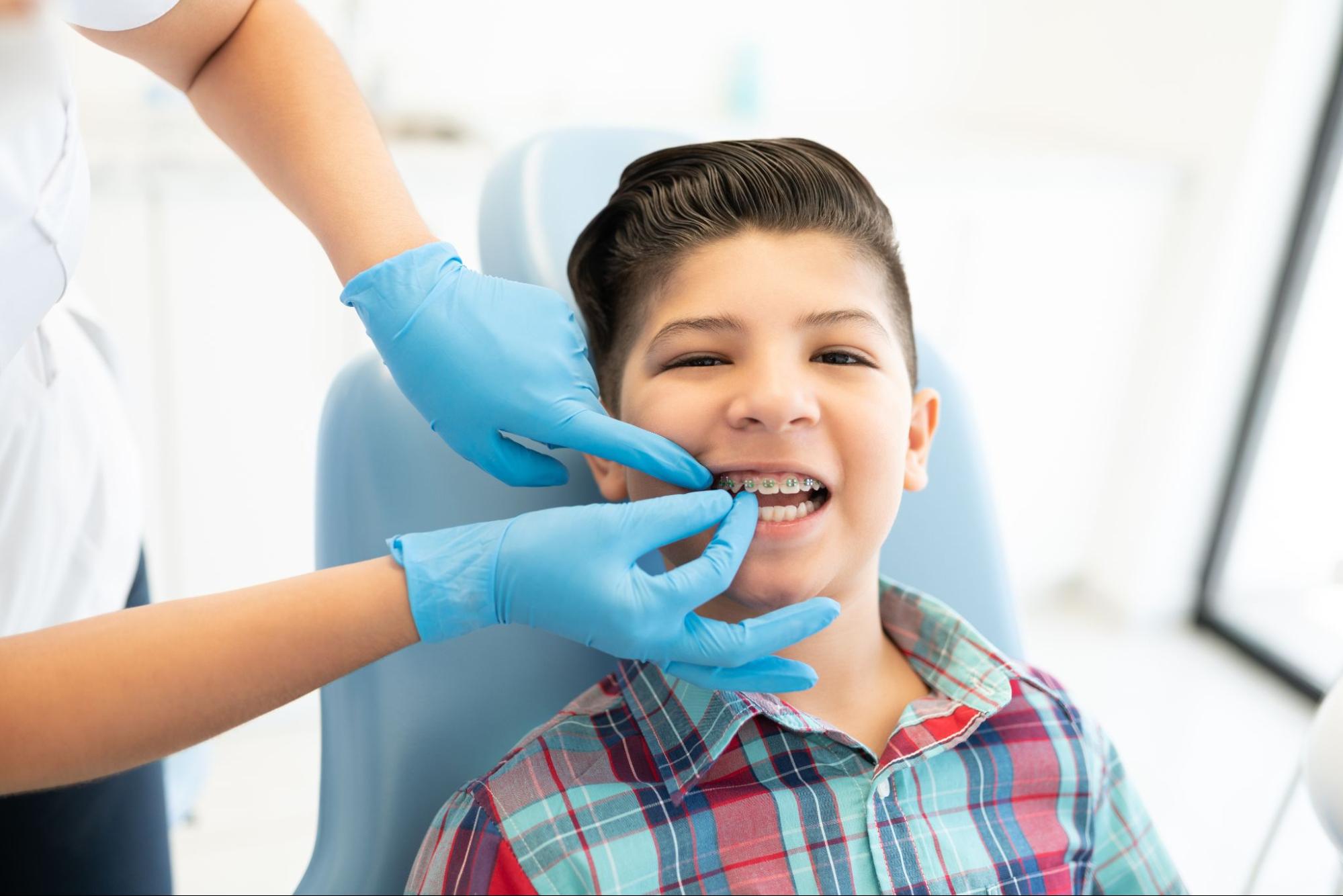
At Degenhardt Orthodontics, Dr. Stephen Degenhardt and the team want to help your whole family enjoy a lifetime of healthy, confident smiles. So what age do most people in Birmingham and Milford actually begin treatment? Is there a best time to start? And is it ever too late? Good news on that last question. It is never too late.
If you are wondering when your child should first see an orthodontist, the short answer is age 7. That is when the American Association of Orthodontists recommends a first evaluation. By then your child has a mix of baby and adult teeth, which lets us catch crowding, bite problems, or airway related jaw issues early. Most 7 year olds do not need braces yet. This first visit is about watching and planning, and at our office it is free.
Start Early: Why Age 7 Matters
The American Association of Orthodontists recommends that children have their first orthodontic evaluation by age seven, and we could not agree more. This early check-in is not about jumping into treatment. It is about setting the stage for smart, timely decisions that can make a real difference in your child’s oral health.
Identifying Issues Before They Escalate
By age seven, most children have a mix of primary and permanent teeth. This transitional stage lets Dr. Degenhardt spot concerns with jaw development, bite alignment, and how the teeth are coming in. We look for early signs of crowding, crossbites, underbites, and habits that could get worse without attention.
Catching these things early lets us plan ahead or, in some cases, begin gentle early intervention that prevents more involved treatment later. When it helps, we may recommend a first phase of early orthodontic treatment to guide jaw growth, make room for permanent teeth, or correct harmful oral habits.
The age 7 visit is also when we catch something a lot of practices overlook. Signs of airway and breathing trouble often show up first in the mouth and jaw. If your child snores, breathes through their mouth, or seems tired during the day, those can point to a narrow palate or a developing airway issue. Our airway focused evaluation looks at breathing and jaw growth together, which is a real part of what sets Dr. Steve’s approach apart.
Monitoring Growth and Development
Not every child needs early treatment, but every child benefits from a professional look. After that first visit, we monitor your child’s growth with periodic checkups, usually once or twice a year. This lets us time treatment for when it will work best, which often makes it shorter and less complex.
Creating Positive Early Experiences
Introducing children to the orthodontic office at a young age also builds trust and familiarity. We work to make early visits fun and low pressure, so young patients feel comfortable long before any treatment begins. That positive association tends to stick, and it makes future visits go a lot more smoothly.
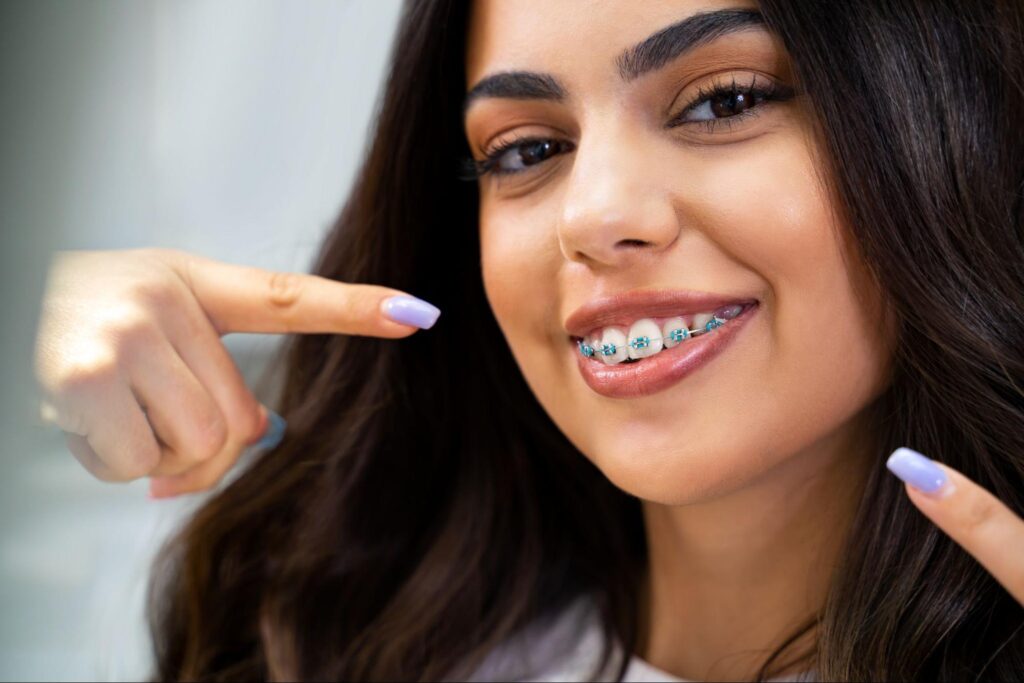
The Teenage Sweet Spot for Treatment
While early evaluation is important, most full orthodontic treatments begin in the preteen or early teen years, usually between ages 10 and 14. This window hits the sweet spot between dental maturity and continued growth.
Why Timing Matters During Adolescence
By this stage most permanent teeth have come in, which makes it easier to spot and correct alignment issues. The jaw is also still developing, so Dr. Degenhardt can use that natural growth to move teeth more efficiently and predictably.
This phase is ideal for braces or aligner therapy because it pairs clinical effectiveness with faster, more stable results. The sooner misalignment is addressed, the lower the chances of related problems like gum recession, enamel wear, or jaw discomfort down the road.
Options That Fit a Teen’s Lifestyle
Whether your teen leans toward metal braces, clear ceramic braces, or Invisalign, we offer choices that suit both their clinical needs and their day to day life. Teens today want treatment that is efficient, discreet, and easy to manage, and that is exactly what we deliver.
We also know motivation can come and go during the teen years. That is why we build real relationships with our patients and take time to encourage them at every step. A teen who feels involved in their care is far more likely to take ownership of it, and they get better results because of it.
More Than a Smile, It Is Confidence
Treatment during the teen years does more than straighten teeth. A confident smile shapes how a teen carries themselves, how they connect with others, and how they picture their future. We are not just correcting bites. We are helping young people feel good about themselves.
Yes, Adults Can and Should Get Orthodontic Treatment
It is never too late to start. In fact, nearly one in four orthodontic patients today is an adult. Whether you missed out on braces as a kid or your teeth have shifted over the years, orthodontics for adults can give you the smile and comfort you have always wanted.
Health and Function Beyond Style
Straight teeth are about more than looks. Misaligned teeth make brushing and flossing harder, which raises the risk of decay and gum disease. Bite problems can cause uneven wear, jaw strain, and even headaches. Correcting these issues improves your oral health, your speech, and even how you chew and digest food.
We are here to support adults who want to improve their bite and smile, whether the reason is functional, cosmetic, or both. Many of our adult patients are surprised by how quickly they adjust to treatment and how soon they start seeing changes.
Treatment That Works With Your Lifestyle
Modern options have made adult orthodontics more discreet and more comfortable than ever. With clear aligners, clear braces, and lower profile metal brackets, it is easier to fit treatment into a busy life.
Our team builds a plan around your life rather than the other way around. Busy parent, working professional, or both, we will help you reach your goals without turning your routine upside down.
A Worthwhile Investment at Any Age
Orthodontic treatment is one of the most rewarding things you can do for your health and your appearance, whenever you start. A lot of our adult patients finish and wonder why they waited so long. With flexible payment plans and a range of treatment options, taking that first step is easier than you might think.
Personalized, Age-Appropriate Treatment at Degenhardt Orthodontics
Whether you are seeking care for your child, your teen, or yourself, our team is here to help. We do not believe in one size fits all. We build treatment plans around your needs, your goals, and your stage of life.
We pair years of experience with advanced technology so every plan is both efficient and effective. Our office is warm, welcoming, and built to help you feel at ease. From your first consultation to your final retainer check, you are in expert hands at our Birmingham office and our Milford office.
Take the First Step Toward a Lifetime of Smiles
Orthodontic care can begin at almost any age, but starting with the right team makes all the difference. Curious about early treatment, ready to look at braces for your teen, or thinking about clear aligners for yourself? Dr. Stephen Degenhardt and the team are here to help.
Schedule your free consultation today and let us help you find the right time, and the right plan, for your family’s smiles.
Frequently Asked Questions
When should my child first see an orthodontist?
The American Association of Orthodontists recommends a first orthodontic visit by age 7. By then your child has a mix of baby and adult teeth, so we can spot crowding, bite issues, or airway related jaw concerns early. Most children this age just need monitoring, not braces.
Is age 7 too early for braces?
Usually, yes, and that is fine. The age 7 visit is a checkup, not the start of braces. For most kids we simply watch how the teeth and jaw develop. When early treatment does help, it is often a short, focused phase rather than full braces.
What happens at the first orthodontic visit?
We take a look at your child’s teeth, bite, jaw growth, and airway, sometimes with photos or digital scans. Then we explain what we see in plain language. If everything is on track, we simply check in as your child grows. If something needs attention, we walk you through the options.
Is it too late to get braces as an adult?
Not at all. Nearly one in four orthodontic patients is an adult. Healthy teeth can be moved at any age, and options like clear aligners and low profile braces make treatment easy to fit into daily life.